Why You Should Ditch the Crunches
One of the main things that my clients want is a better looking mid section. I mean, who doesn’t want the sort of abs that the likes of Zach Efron, Mathew McConaughey, and Teyana Taylor are rocking these days. Beyond helping you look great in a bathing suit, your core is made up of small stabilizers that support your joints and help you maintain balance while you twist, lift, and reach. As the connector between your upper and lower half, abdominal muscles play a key role in pretty much everything you do from picking up groceries to the most intense power lifts.

Teyana Taylor out in Paris celebrating “All’s Fair” co-star Kim Kardashian’s 45th birthday.
By The Numbers
If you want to get stronger, faster, and more powerful, you got to train your core.
Research shows that core training is key to performance on all levels. In a 2019 experimental study, 100 college athletes were divided into two groups: one that had to complete a core stability program 3 time a week for 8 weeks, and one that continued their regular fitness regime without targeted core work. The results… The 8-week stability program enhanced functional movements for the test group, including lateral mobility as well as posture. These benefits were particularly pronounced for athletes who came into the program with poor movement quality overall.
These findings hold true for a range of athletes. A review of over 3000 studies on core training by Angela Rodriguez-Perea and her colleagues indicates that working your abdominal muscles influences a number of performance variables, including improving balance, throwing velocity, hitting distance, and both vertical and horizonal jump.
Not looking to necessarily jump high or throw far? The research also shows that core training is key to functional tasks too!
A study published in Frontiers in Public Health, indicates that stabilization training significantly improved balance in older adults. As we age our body goes through all sorts of physiological changes which compromise our balance, including loss of muscle strength and bone density. The result, is an increased risk of serious injury from falling. Training sessions that focus on core work (especially those lasting over 30 minutes) have been shown to strengthen abdominal and lumbar (lower back) muscles which increases coordination across the body and helps us to maintain stable postures.
In short, having toned abdominal muscles boosts performance and overall quality of life, enhancing your coordination, increasing mobility, and preventing injury.
Rules of Thumb
Okay, so how do you build a better core?
The first rule is: STOP DOING CRUNCHES. Crunches target what’s called the rectus abdominis, in other words, your “six-pack” muscles. Crunches might make your core burn during a workout but they won’t help activate your deep stabilizer muscles which is where real strength and mobility comes from. On top of missing out on the stabilization benefits of core training, crunches don’t do anything to help our spines and actually have a tendency to aggravate lower back pain.
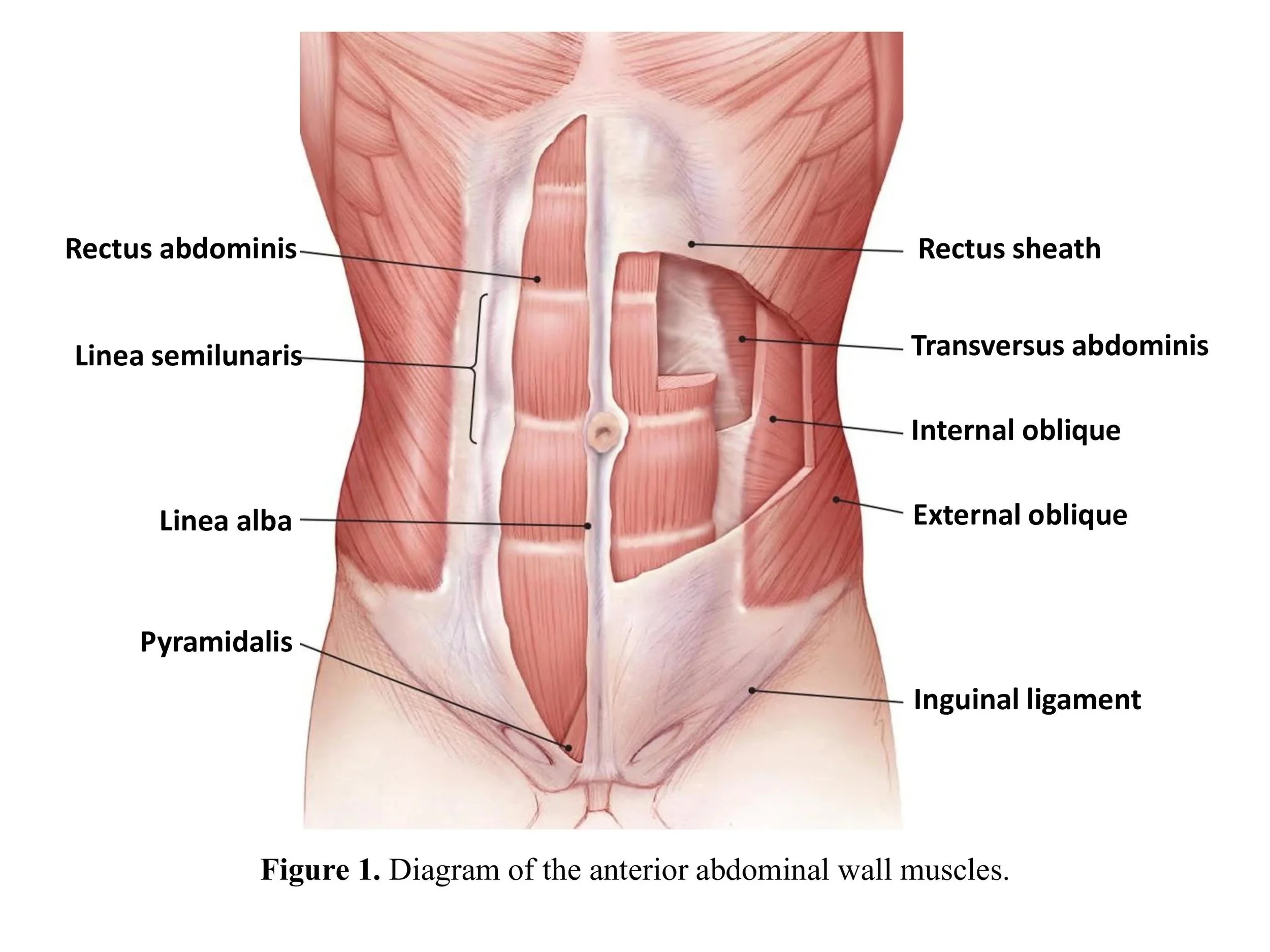
The second rule: CHALLENGE YOUR BALANCE. To engage the deep stabilizer muscles that support the spine and help us rotate, its important to create resistance and challenge your coordination. You can do this by mixing things up with single-leg movements, stability plates, and dynamic holds. These types of movements not only help improve core stability and control but also helps your brain!
Core training that focuses on challenging coordination and balance or that asks your body to do two things at once improves the feedback loop between the body and the nervous system. In a 2012 study, Grancher and his colleagues showed that enhanced neuromuscular control from core training helped older adults adjust rapidly to unstable conditions in turn increasing their dynamic balance. From a brain perspective, better neuromuscular control means less strain, allowing you to move more quickly and automatically.
The Performance Lab
Here’s three exercises that I keep on rotation in my training programs that target your deep core and activate balance:
Dead Bug
This exercise engages your whole body. By moving your arms and legs in opposite directions, you not only engage your core and spine but you also challenge your brain.
Lie on your back with arms extend toward the ceiling and knees bent
Brace your core and extend one arms and the opposite leg to the floor
As you lower make sure to keep you back pressed into the ground (you don’t get extra points for how low your arms and legs go)
Alternate for 30-45 seconds and repeat 3 time.
Note: Level up by adding light weights, anywhere from 3-12 pounds.

Side Planks
Side planks are great at targeting you deep stabilizer muscles, including the transverse abdominis and obliques. Developing these muscles is key to melting away love handles and supporting the spine.
Lie on your side with elbow under shoulder
Lift hips so your body is in a straight line and brace your core
Hold for 20-60 seconds (depending on fitness level) and repeat 3 times
Note: If this is too challenging, no worries! You can adjust by keeping your legs bent at the knee instead.

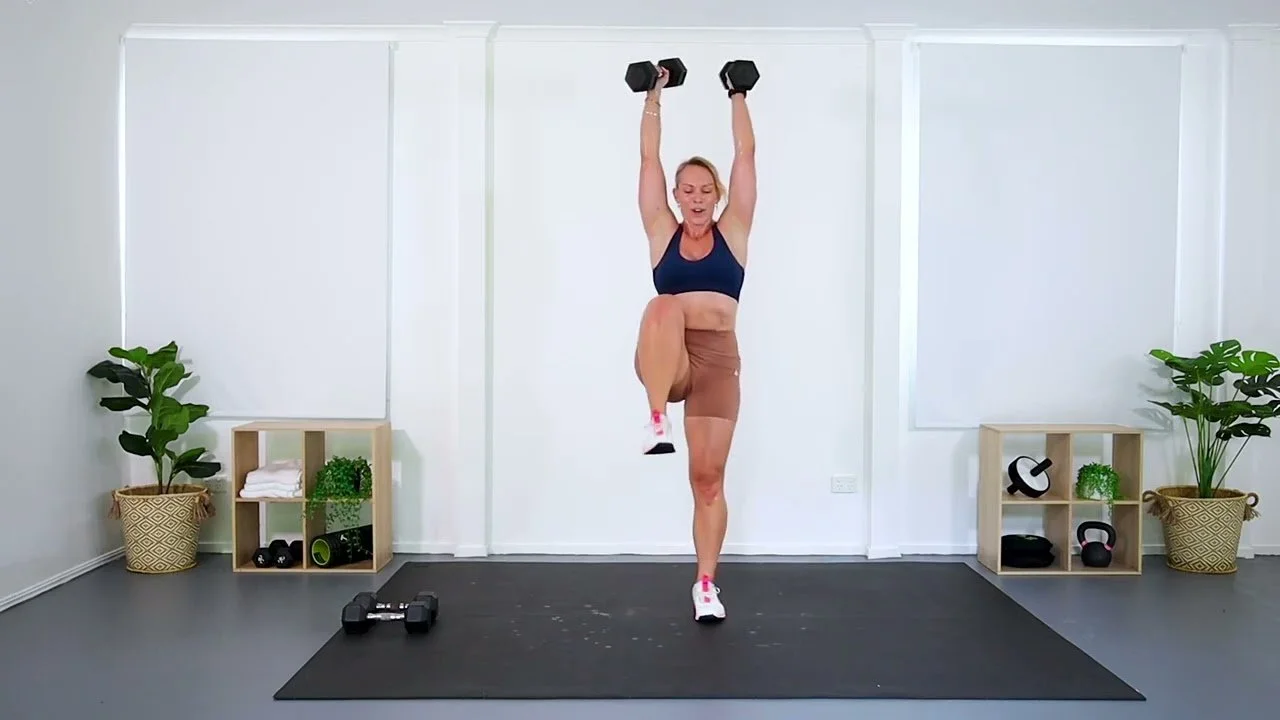
Overhead March
Looking for an alternative to core work on the mat? There are some great standing core exercises that you can do that are equally as challenging. By asking your body to stabilize the spine while you maintain balance on one leg, overhead marches are an excellent way to engage your deep core muscles, especially that transverse abdominis and multifidus.
Stand tall holding a light dumbbell (5-10 pounds) in both hands
Press the weights overhead so your arms are straight and aligned with your ear
Brace your core and begin to march making sure you don’t arch your back
March for 20-30 seconds and repeat 3 times.
Note: Want to make it harder? Challenge yourself with heavier weights or by using only one arm.